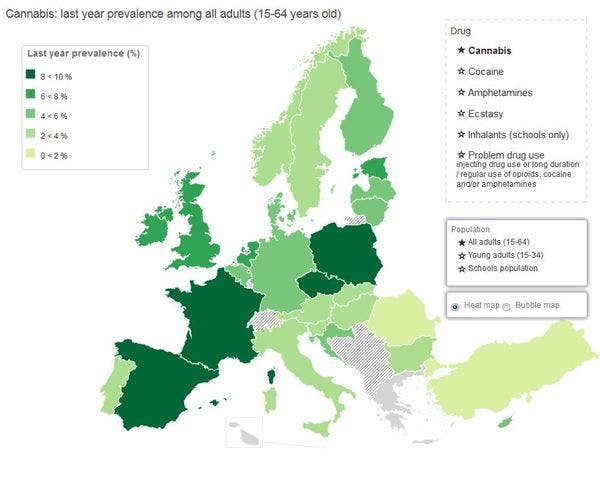
The Plan sets out the actions that will be implemented to achieve the objectives of the EU Drugs Strategy 2013-2020 in the areas of demand reduction, supply reduction, coordination, international cooperation, and information, research, monitoring and evaluation.
This research shows that targeted periodic HIV testing and counselling is cost-effective and could lead to potential elimination of HIV in the region of Can Tho.
The European Association of Palliative Care held its 13th Annual Congress in Prague, where clinicians, public health care providers promoted palliative care as a human right.
A o declaracao incentivam a abordagem de novos enfoques sobre o problema mundial das drogas nas Américas, com base no conhecimento e na evidência científica.
This report provides a snapshot of field experiences on voluntary and human rights-based harm reduction programmes in China, India, Indonesia, Kenya and Malaysia.
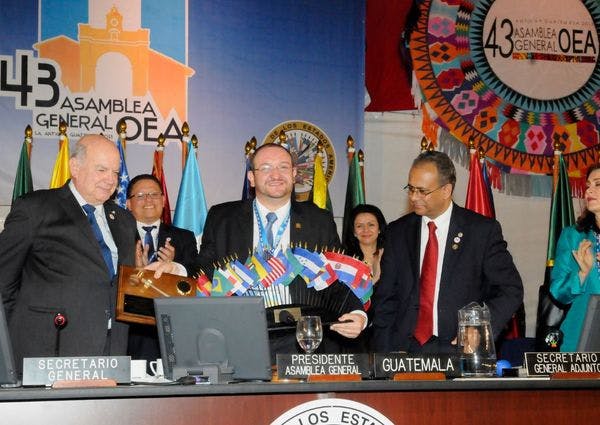
The member states of the OAS gathered in Antigua, Guatemala, adopted the Declaration of Antigua Guatemala that encourages the consideration of new approaches to the world drug problem in the Americas.
The IDPC toolkit aims to build the capacity of civil society organisations for engaging with, and influencing, drug policy making processes at national, regional and international level.
Global Commission on Drug Policy calls for decriminalization of drug use and expansion of proven, science-based solutions to reduce Hepatitis C – Including sterile syringe access, safer injection facilities and prescription heroin programs.