C-EHRN discuss how integrated and person centred-care means putting people and communities, not diseases, at the centre of health systems and empowering people to take charge of their own health.
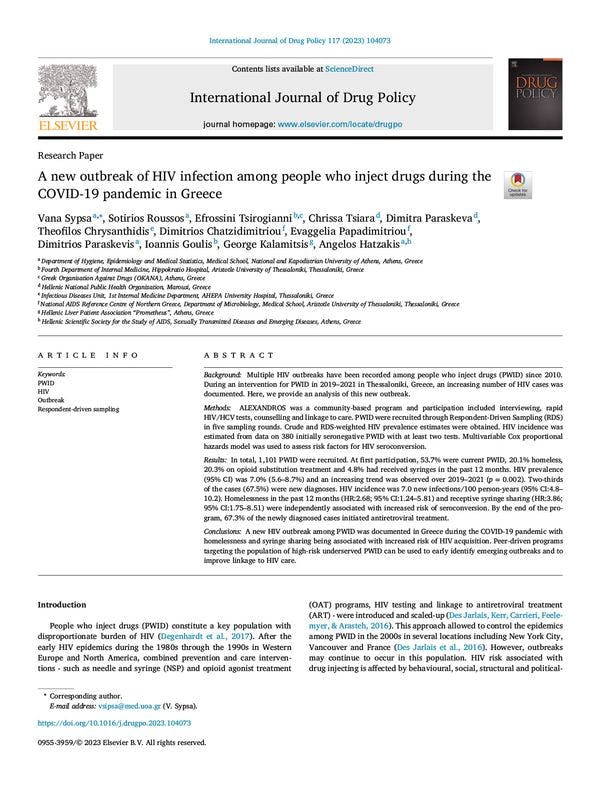
Sypsa et al. highlight the efficacy of peer-driven programmes to early identify a localised HIV outbreak and to implement health responses to mitigate it.
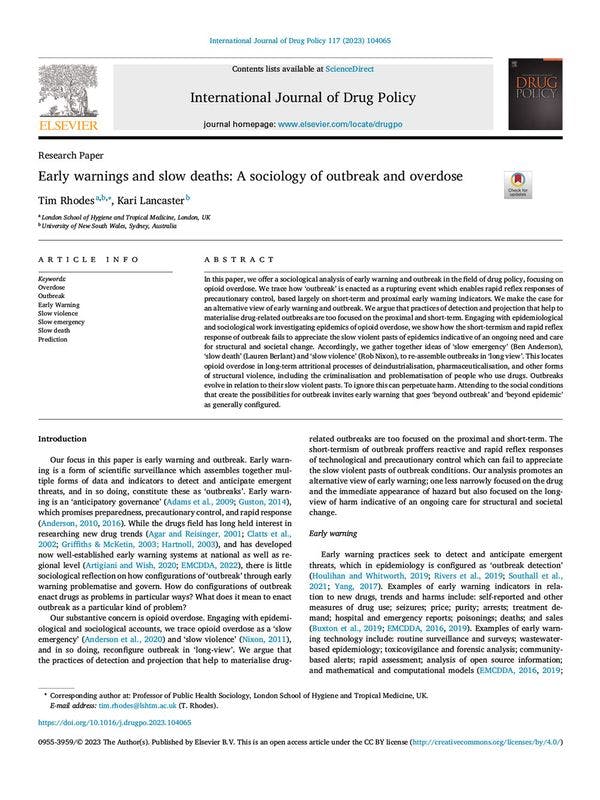
Rhodes and Lancaster argue that state responses to drug deaths crises rarely account for the long-term causes that push people who use drugs into premature death.
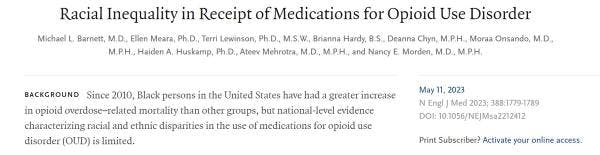
Barnett et al. found that Black people and other racialised groups in the U.S. are less likely to obtain prescriptions for buprenorphine, naloxone and benzodiazepines than their white counterparts.
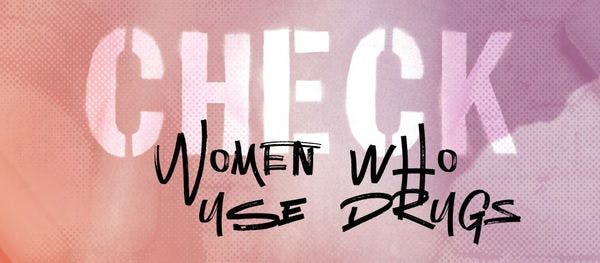
EHRA publish their latest edition of CHECK magazine, focusing on the disproportionate levels of stigmatisation and discrimination that women who use drugs face as a result of existing gender inequalities and prohibitionist policies.
The Civic Futures Initiative explore (among other 'wars') the impact that Duterte’s oppressive and securitised 'war on drugs' in the Philippines had on the civic space of those who advocate against the drug policy and document abuses under it.
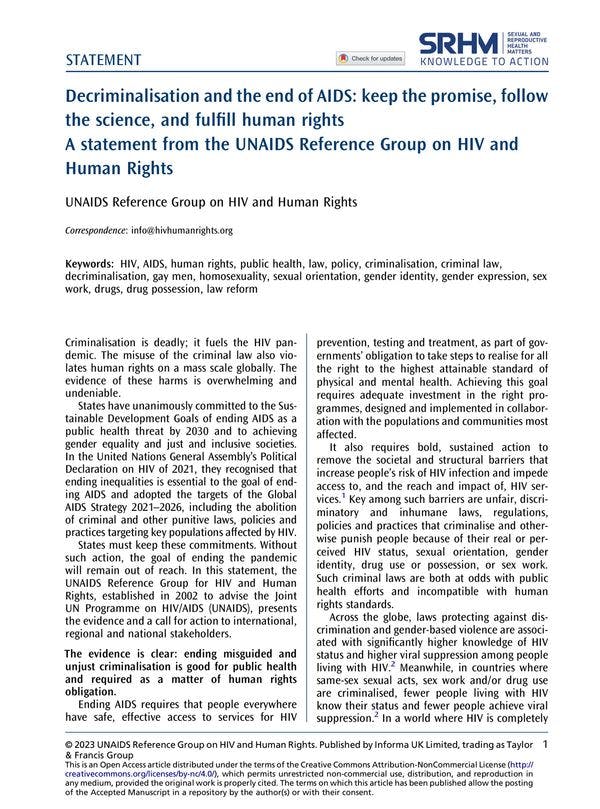
The UNAIDS Reference Group on HIV and Human Rights argues criminalisation is harmful and deadly, fuels the HIV pandemic and promotes human rights violations.
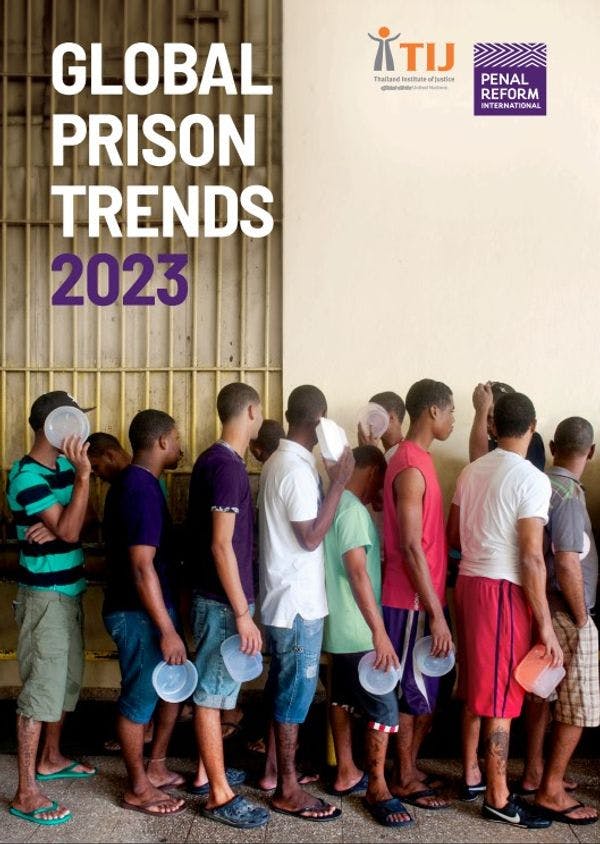
PRI and TIJ provide an overview and highlight how the criminalisation of drugs remains a key contributing factor to the rising global prison population and prison overcrowding.