The Lancet underscores how punitive drug laws continue to fuel HIV risk, stigma and exclusion for people who use drugs, despite growing calls for reform.
Community-led harm reduction education in the Philippines seeks to replace fear-based drug narratives with evidence, empathy and respect for the rights of people who use drugs.
Lebanon’s emergency extension of vital prescriptions shows how flexible, rights-based health responses can protect people who use drugs subjected to war and displacement.
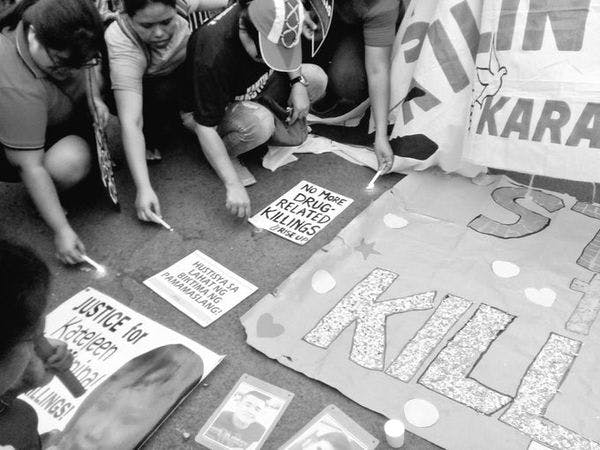
Amid mounting concern over extrajudicial killings and abuses carried out in the name of the 'war on drugs', survivors' stories underscore the deadly risk of the US campaign against 'narcoterrorism'.
A coalition of 125 organisations warns of human rights implications, as well as the risk of legal responsibility for States collaborating in unlawful killings at sea.
TNI's Programme Director for Drugs & Democracy reflects on his career, noting both key areas of progress and the persistent, damaging pull toward securitisation.
The recent WHO decision to maintain the international classification of coca leaf highlights ongoing tensions between drug control frameworks and Indigenous rights, cultural practices and scientific evidence.
The WHO’s decision to keep coca leaf under strict controls highlights weak legal reasoning, disregard for scientific evidence, and ongoing harms to Indigenous rights.
The UN Human Rights Committee challenged Canada’s refusal to accept positive obligations under the right to life, as advocates warn that punitive drug policies and the denial of life-saving services like supervised consumption are driving thousands of preventable toxic drug deaths.