This report explores the governance dynamics surrounding the 2016 UNGASS and focuses on the Latin American perspective of the Special Session and global drug policy.
It has been a highly eventful and busy year for IDPC, not least because of UNGASS 2016. We hope that you will enjoy reading this latest progress report that gives an overview of our activities and key achievements during the period April 2015 to March 2016.
Penal Reform International investigate the role of gender-specific non-custodial alternatives to pre-trial detention and to imprisonment for women in Kenya.
This literature review examines the evidence of effectiveness of different types of drug prevention and education for children and young people in Scotland, principally that which is delivered in schools.
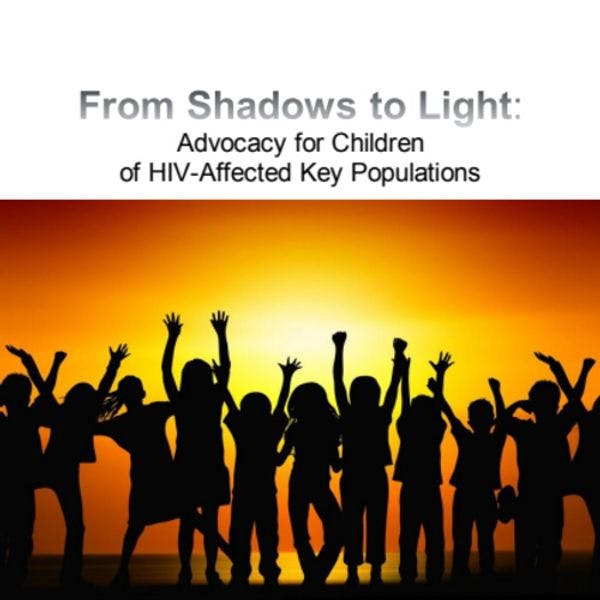
The Coalition for Children Affected by AIDS shines light on the specialist needs of AIDS-affected children, focusing on children of HIV-affected key populations—sex workers, transgender people,
people who use drugs, and MSM.
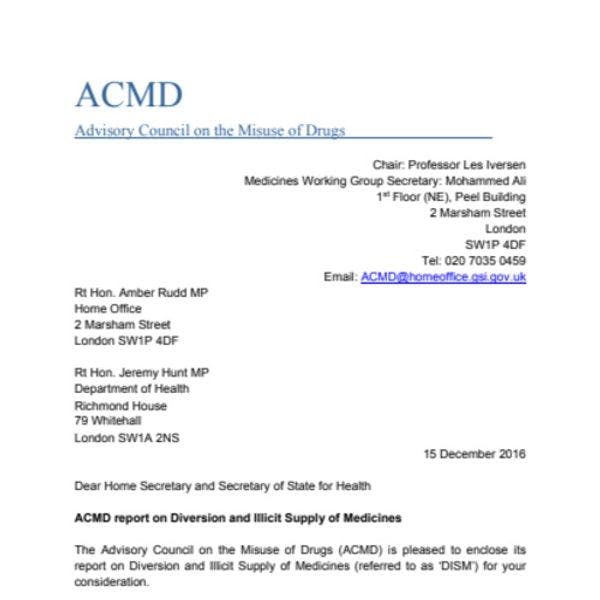
The UK Government's Advisory Council on the Misuse of Drugs finds prescription-only medicines are being used to supplement the use of other illicit drugs, including cocaine and heroin.
This study aims to provide evidence on international and EU approaches to drug policy, including emerging challenges and focusing on several case study countries. This evidence has been used to identify and develop policy proposals.
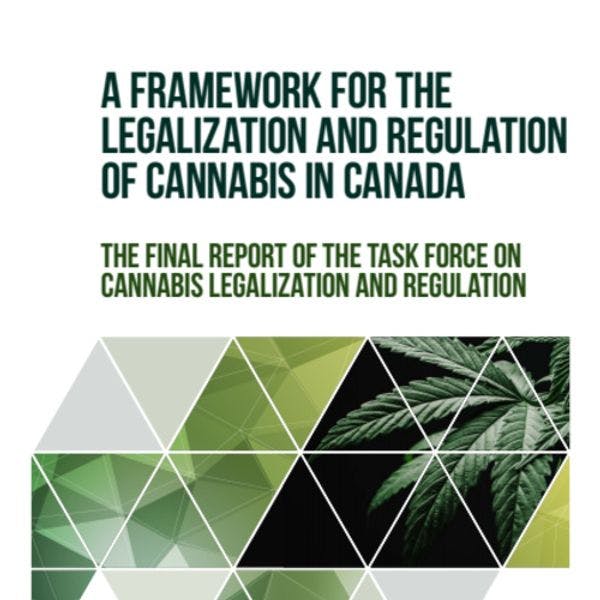
Canada lay out a framework for regulated cannabis markets, considering the issues of public safety, implementation, medical access and, of course, harm minimisation.
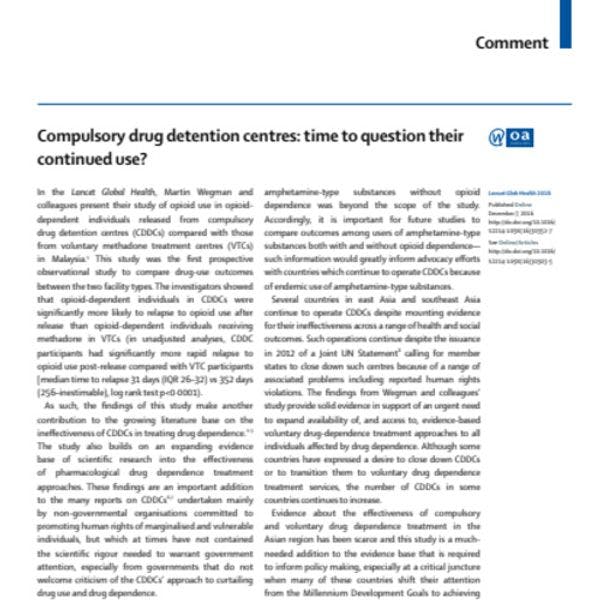
A new study in Lancet Global Health reveals that opioid-dependent individuals in compulsory drug treatment were significantly more likely to relapse to opioid use after release than opioid-dependent individuals receiving methadone in voluntary treatment centres.