Witzel et al. highlight the need for harm reduction, legal support and drug policy reform responses tailored to the realities of this specific sexualised drug use practice in Thailand.
Harris et al. find that providing inhalation equipment alongside workforce training facilitates stronger relationships between providers and people who use crack, and new engagement opportunities, despite enduring structural barriers.
Despite proving their compassion club prevented overdoses, DULF founders were convicted and now plan a Charter challenge against the criminalisation of harm reduction.
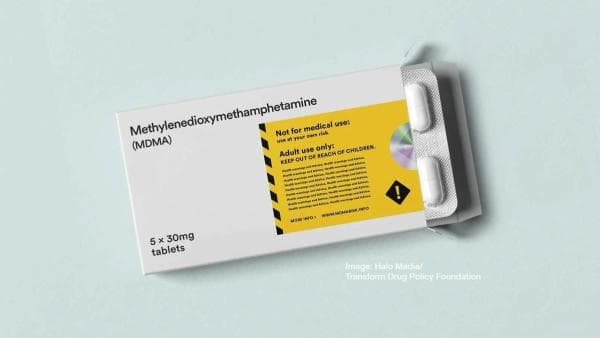
In the Netherlands, rising drug-related violence and dangerous fluctuations in the contents of ecstasy pills spark recent calls for a legally regulated MDMA supply, with profits reinvested into harm reduction programmes.
Prime Minister Sretta Thavisin's declarations in favour of increased punitive measures for drug use and related activities echo Thailand's catastrophic "war on drugs" in 2003, despite international recommendations for balanced, rights-based strategies.
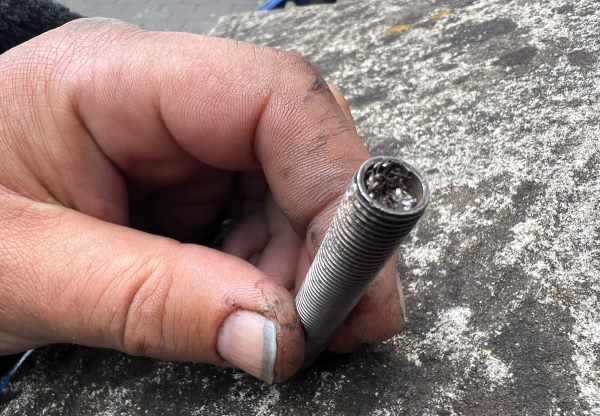
Prevention and criminalisation of the distribution of safer smoking kits leave stimulant users to devise their own creative solutions, which can lead to entirely avoidable health problems.
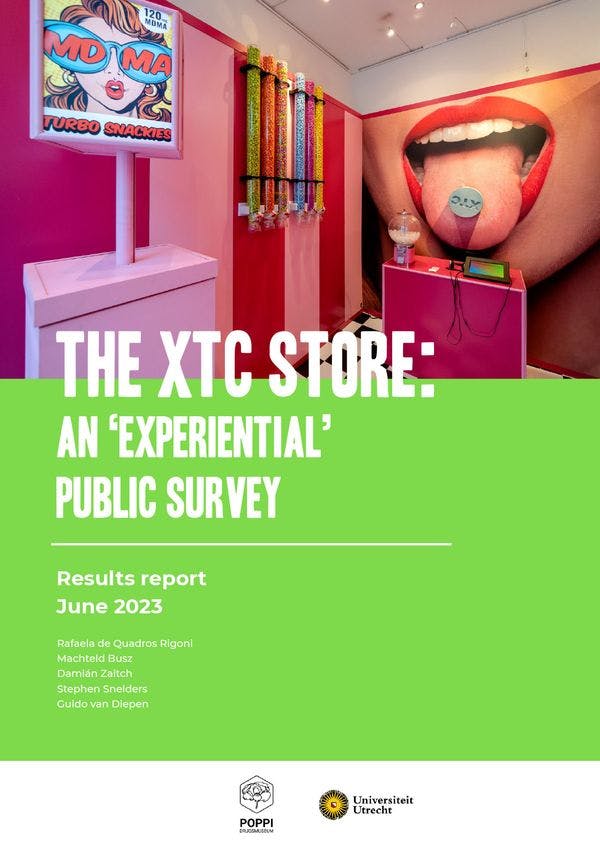
Rigoni et al. summarise expert and public opinions on the regulation of MDMA collected in relation to a pop-up installation (the 'XTC store') in Utrecht (the Netherlands) highlighting support for a strictly regulated market for MDMA products.
The EMCDDA shed light on emerging trends, challenges, and policy implications surrounding drug use in Europe up until the end of 2022, revealing high availability of substances and a greater need for harm reduction services.