The changes to the Peace Accord between the FARC and the Colombian government reveal that the guerilla leadership gave ground on several key points, for example, drug trafficking charges will now be decided case by case and demobilized guerillas must provide exhaustive information on the group's relationship to the drug trade.
The Civil Society Forum on Drugs (CSF), an expert group of the European Commission held its annual plenary meeting in Brussels last week. The Forum has become an important voice, but it needs more inclusion and funding from EU institutions.
Bluelight, a new site for swapping information about drug batches, aims to fill the gap left by a lack of formal quality control. This can raise awareness of contaminants and variable purity within the drugs currently in circulation.
Evidence-based policies should include the decriminalisation of personal drug use, as this approach has proven effective and conducive to upholding human dignity.
Through testimonies of former and current drug addicts, social workers, health workers and policy makers, this short film highlights what harm reduction means and how it works within the Senegalese context.
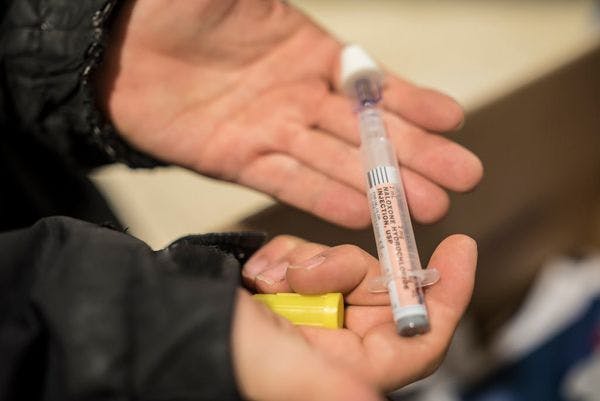
Study alleviates concerns that 'take-home' naloxone programmes would lead to fewer overdoses being attended by emergency services from perceived success of naloxone administration.
20 Romanian NGOs addressed the Global Fund to fight AIDS calling for funding for HIV programmes as marginalised populations are increasingly being left behind by government programmes in South Eastern Europe.
IDPC calls upon the ECDD to carry out an expert review into the scheduling of cannabis: "The classification of substances ... impacts upon people’s lives, on public health and human rights [and] should never be the result of arbitrary or politically driven actions."
With over 20 percent of Americans now living in states that have voted to regulate rather than ban cannabis, the United States is in no position to slam the brakes on similar reform efforts abroad. This opens the door for other countries to explore their own regulatory alternatives to prohibition.