A 2015 report compiled by the Oireachtas Justice Committee recommended that the possession of drugs for personal use be decriminalised, while almost 75% of the population agrees with the availability of cannabis for medicinal purposes.
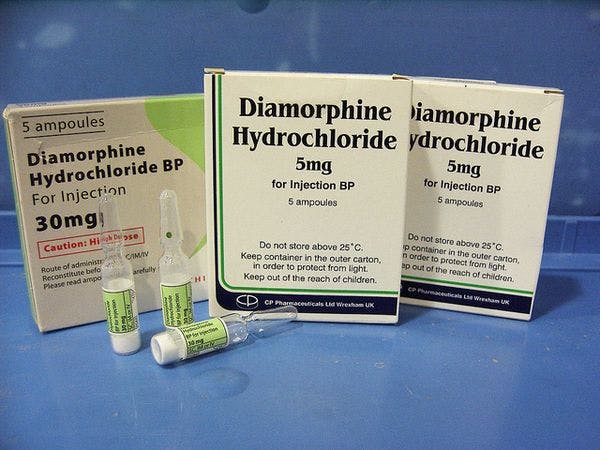
Evidence from other European countries indicates that effectively-implemented HAT programme can reduce overdose mortality rates, as well as the societal costs of drug harms
Penal Reform International, the International Drug Policy Consortium and the Canadian HIV/AIDS Legal Network underscore the urgency of criminal justice reform to reduce negative impact of drug control on human rights.
IDPC is looking for a consultant for an exciting new piece of research which aims to evaluate progress made in drug control in Asia over the past decade. Apply by 21st September!
Lukman, a 29-year-old father of one, provided cannabis oil to patients who were suffering from ailments that were difficult to treat with legal medicines.
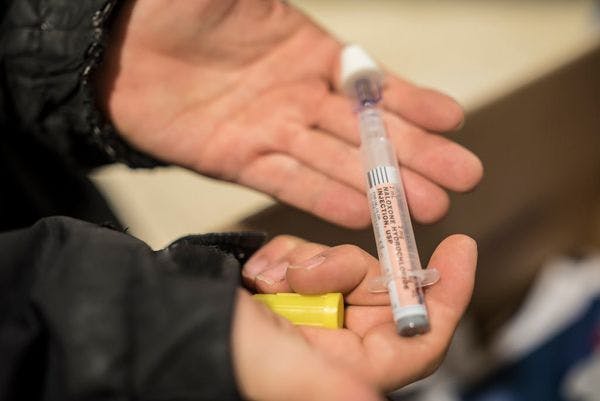
On International Overdose Awareness Day 2018, WHRIN calls attention to the gender specific needs of women who use drugs (WUD) and the need for urgent responses to address the ever rising death toll for accidental overdose.
Shockingly, not one such programme operates in low-income and middle-income countries, despite the reality that these countries bear a disproportionate burden of the harm to public health associated with drug use.
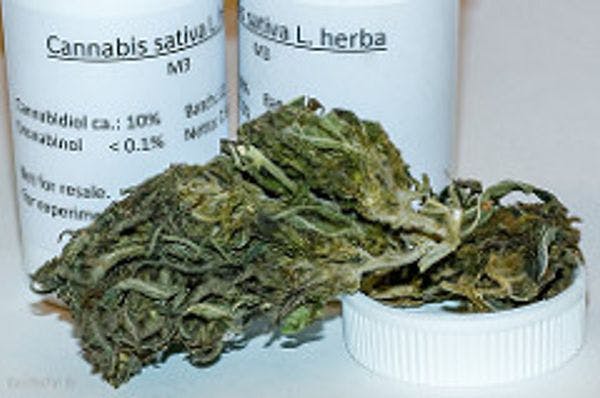
The WHO’s Expert Committee on Drug Dependence (ECDD)'s pre-review on cannabis has concluded there is enough evidence to conduct a thorough assessment about the current international scheduling of cannabis.
The workshop focused on seven key groups of detainees who have specific needs and who, according to the Nelson Mandela Rules and other standards, therefore require specific measures to be put into place to protect them and safeguard their rights.