Youth RISE, SSDP International et Young Wave présentent un cadre de durabilité pour développer les compétences, les connaissances, les réseaux et les stratégies des jeunes dans les organisations qui travaillent sur les politiques des drogues.
Plus de 30 organisations européennes reconnaissent l'échec des politiques en matière de drogues et demandent une nouvelle approche axée sur la santé, les droits et la participation.
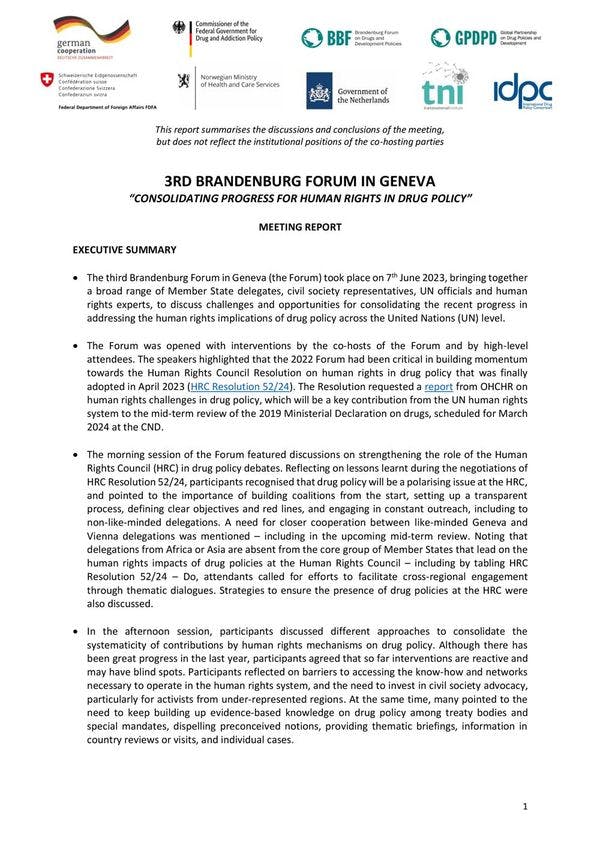
IDPC, HON, IDUCARE et SPINN décrivent les obstacles rencontrés dans la réalisation des droits humains, présentent des bonnes pratiques soins et de soutien et proposent des réformes.
L'ONUSIDA souligne la nécessité d'intensifier les actions et les investissements en faveur des objectifs de lutte contre le VIH pour les personnes usagères de drogues.
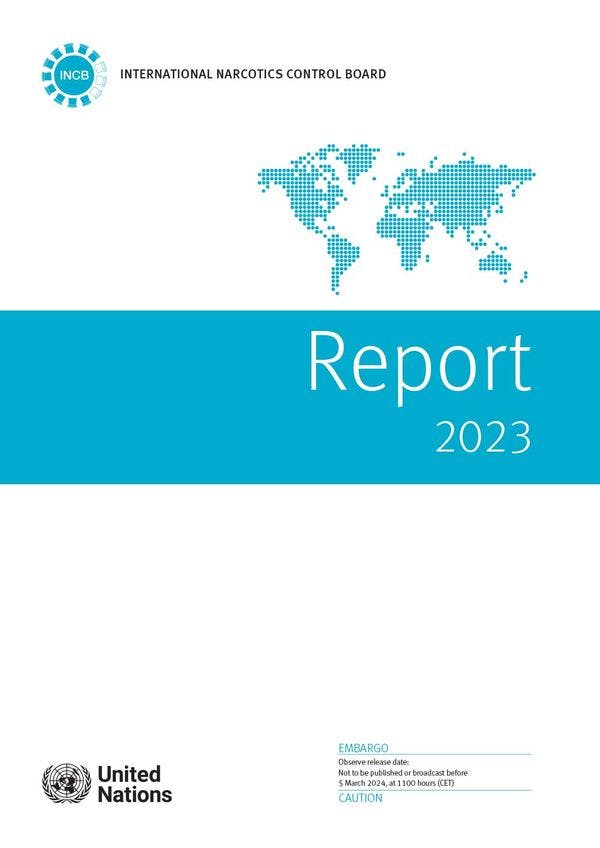
L'OICS analyse la situation mondiale en matière de drogues par rapport aux politiques de contrôle des drogues, notant des réformes croissantes vers des marchés légalement réglementés à des fins non médicales.
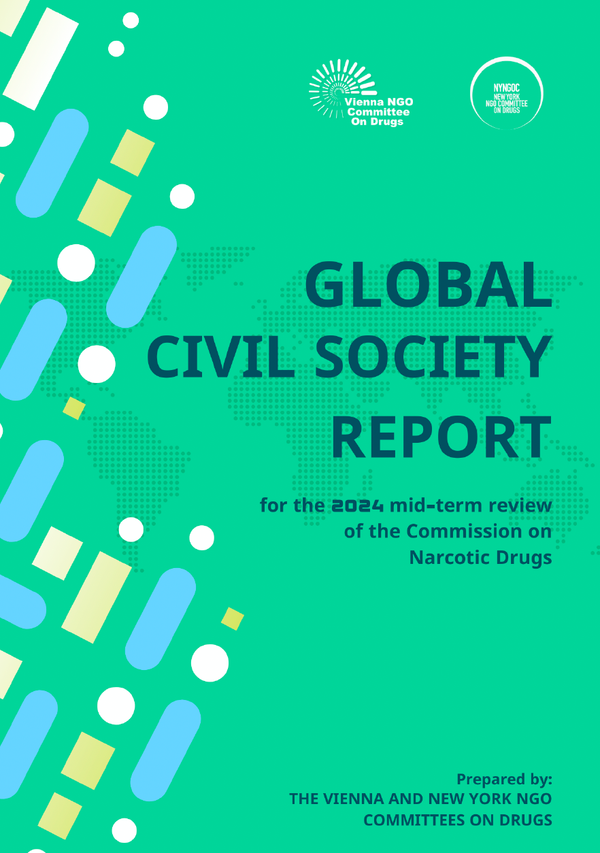
Les comités des ONG sur les drogues de Vienne et de New York publient un rapport exposant les problèmes, défis et opportunités rencontrés par la société civile travaillant dans le domaine des drogues.
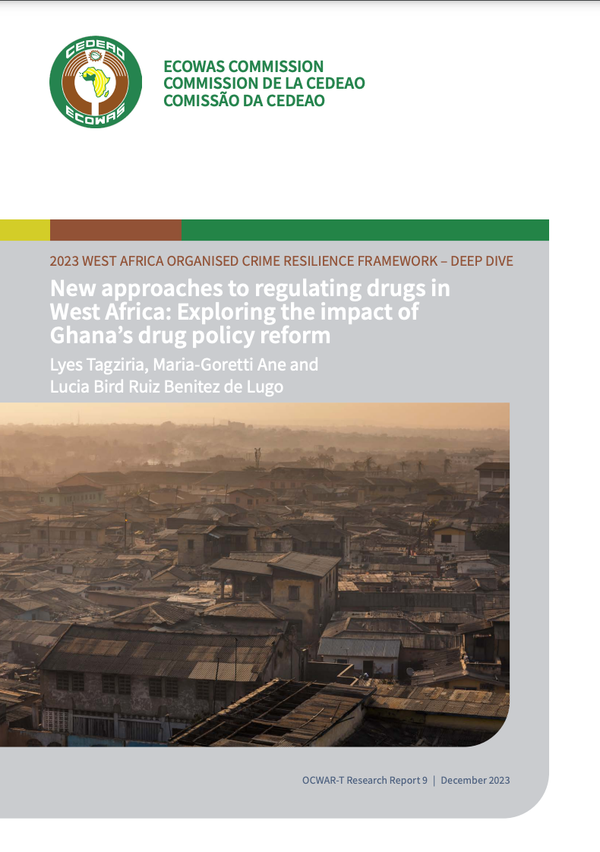
Tagziria et al. décrivent les efforts déployés par le Ghana sur plusieurs fronts pour passer de politiques répressives à des politiques axées sur la réduction des risques.
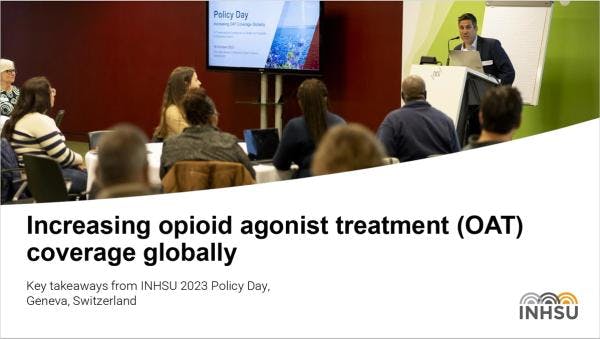
L'INHSU souligne les principales conclusions d'une discussion connexe, notamment la nécessité de promouvoir, d'élargir et d'adapter les modèles de prestation en fonction des besoins locaux.
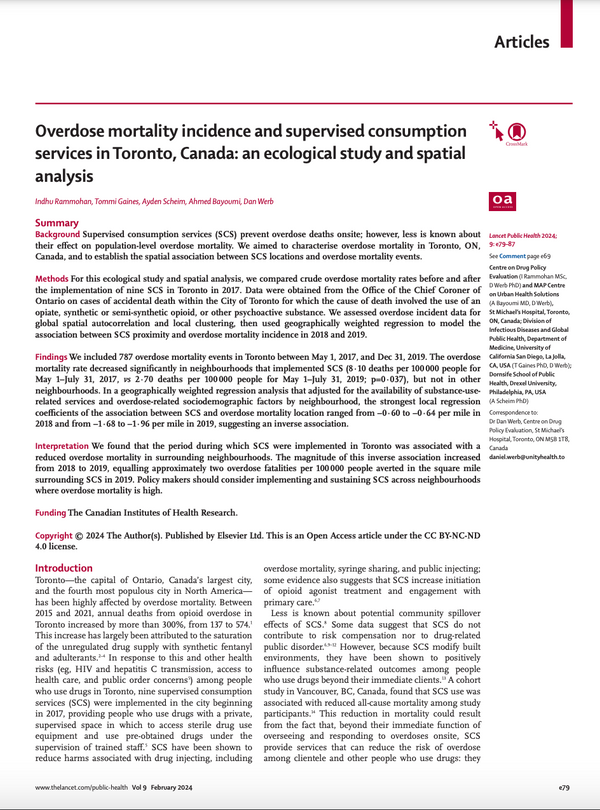
Rammohan et al. font état d'une diminution des taux de mortalité par overdose dans les régions disposant de services de consommation à moindres risques, ce qui souligne la nécessité et la valeur de ces dispositifs.
Le C-EHRN plaide pour des réponses coordonnées, contextualisées et bien financées, y compris des stratégies de réduction des risques, afin d'atteindre l'objectif d'élimination de 2030.