Youth RISE, SSDP International y Young Wave presentan un marco de sostenibilidad para desarrollar habilidades, conocimientos, redes y estrategias para las juventudes en organizaciones relacionadas con las drogas a nivel internacional.
ICEERS publica un informe que analiza el estatus legal de la ayahuasca dentro de la ley portuguesa de drogas y aboga por más claridad legal y protección consistente contra la criminalización.
Más de 30 organizaciones europeas reconocen el fracaso de las políticas de drogas y exigen un nuevo enfoque que priorice la salud, los derechos y la participación comunitaria.
Elementa resume herramientas para ayudar a reorientar narrativas periodísticas y discursivas sobre mujeres y drogas a través de un enfoque de género y el contexto.
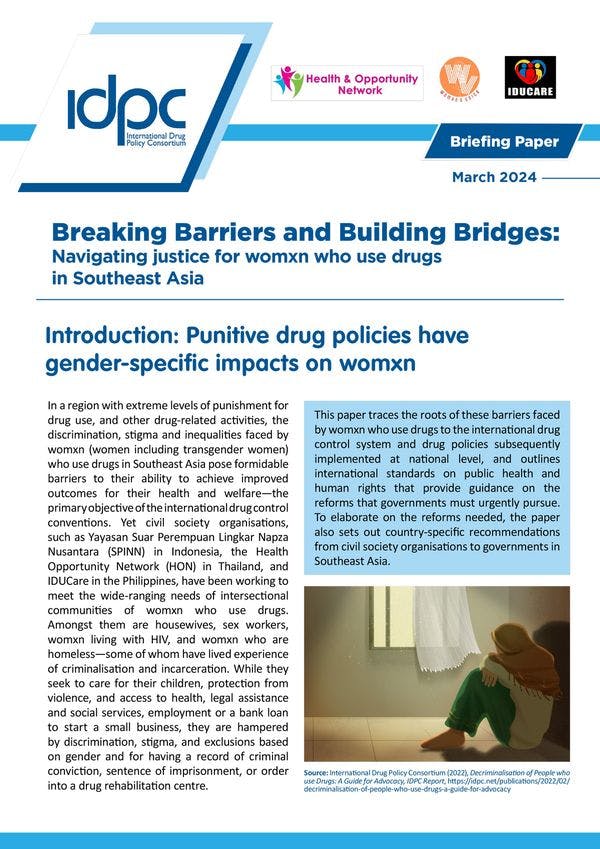
IDPC, HON, IDUCARE y SPINN describen los obstáculos encontrados en la realización de los derechos humanos, presentan buenas prácticas de atención y apoyo y proponen reformas.
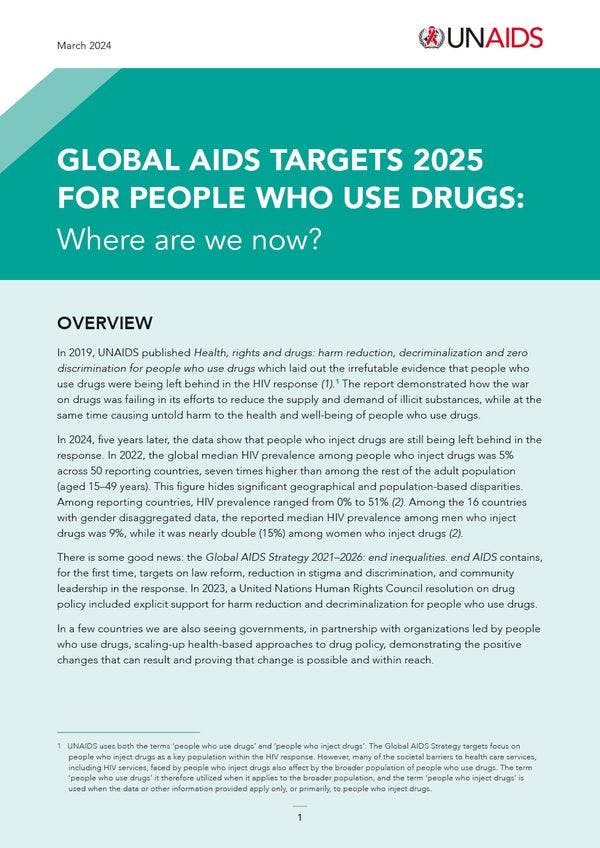
ONUSIDA subraya la necesidad de ampliar la acción y la inversión en objetivos relacionados con el VIH para las personas usuarias de drogas a través de enfoques de salud pública.
La JIFE analiza la situación mundial de las drogas en relación con las políticas de fiscalización de estupefacientes y señala las crecientes reformas hacia mercados legalmente regulados para fines no médicos.
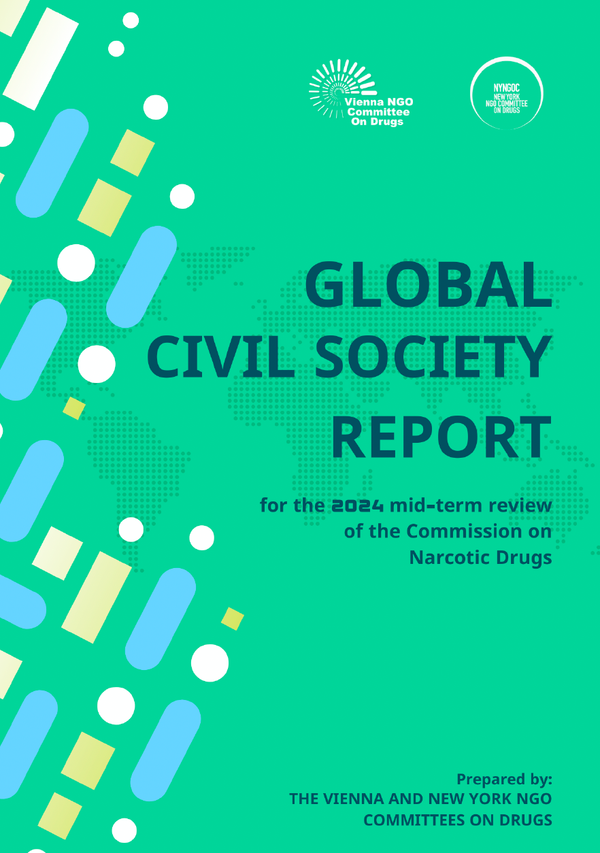
Los Comités de ONG sobre Drogas en Viena y Nueva York publican un informe que describe los problemas, retos y oportunidades que experimentan organizaciones de la sociedad civil que trabajan en el ámbito de las drogas.
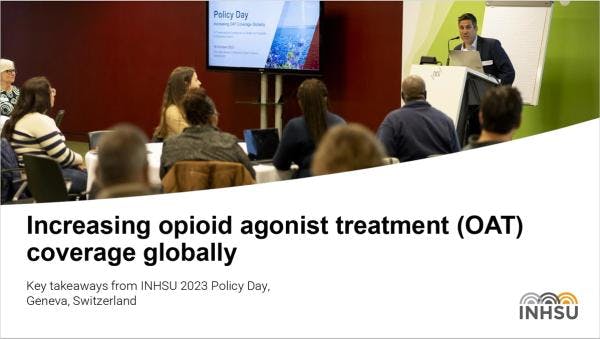
El INHSU destaca las principales conclusiones de un debate relacionado con este tema, incluida la necesidad de promover, expandir y adaptar los modelos de prestación de servicios a las necesidades locales.
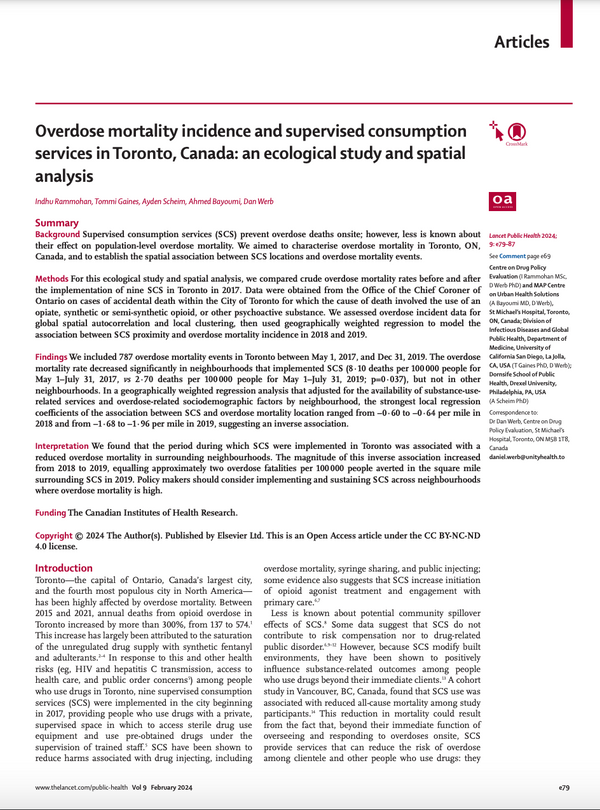
Rammohan et. al. informan de un descenso de las tasas de mortalidad por sobredosis en zonas con servicios de consumo supervisado, lo que subraya la necesidad y el valor de estas intervenciones.